Ngwakọ
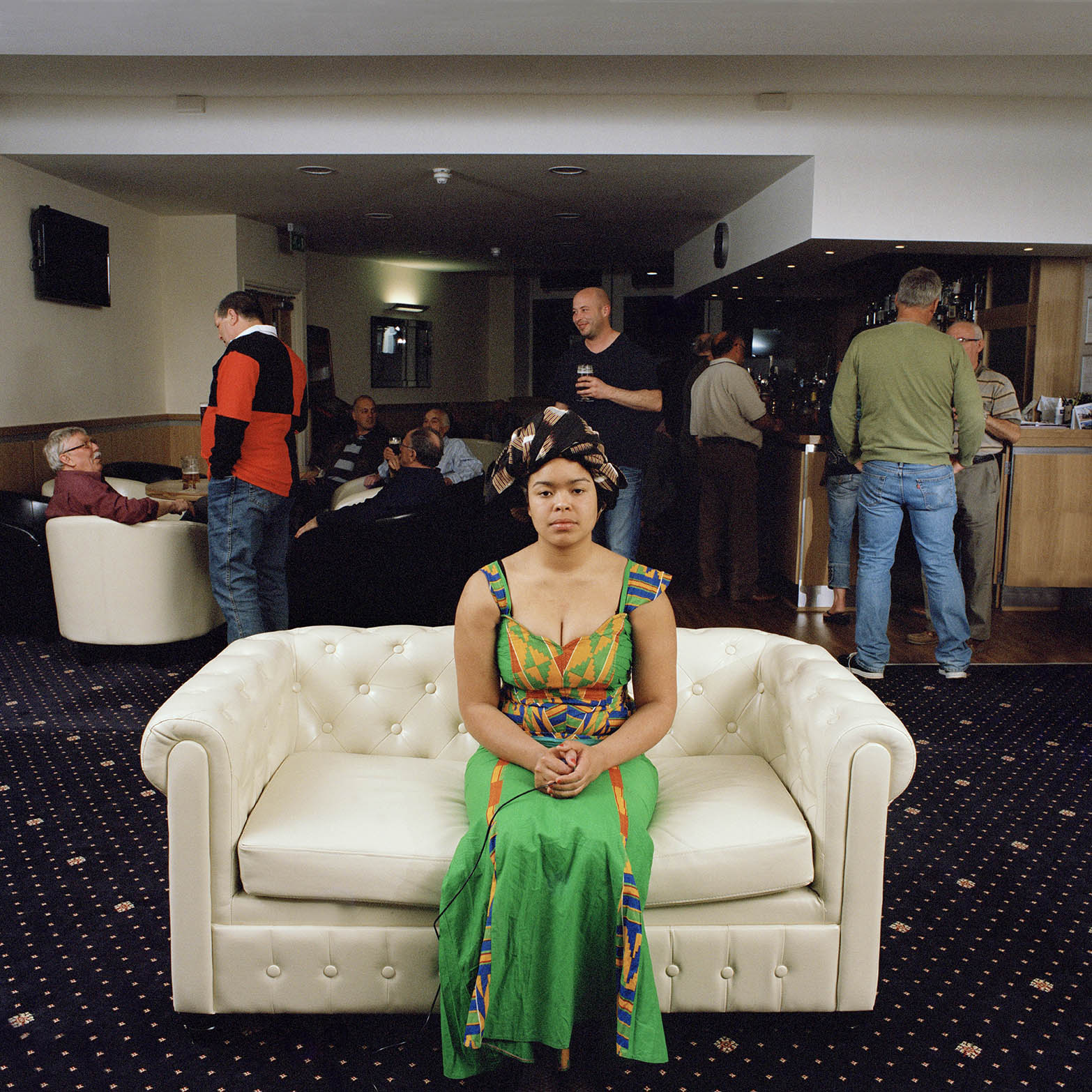
Growing up in Dorset, I never felt like I belonged. I was the only black kid in my English school. Was I English like my mother, or Nigerian Igbo like my father? I was a mixture of the two, a ‘ngwako’ as they say in Igbo, a hybrid, somebody who didn’t fit in here and didn’t fit in there.
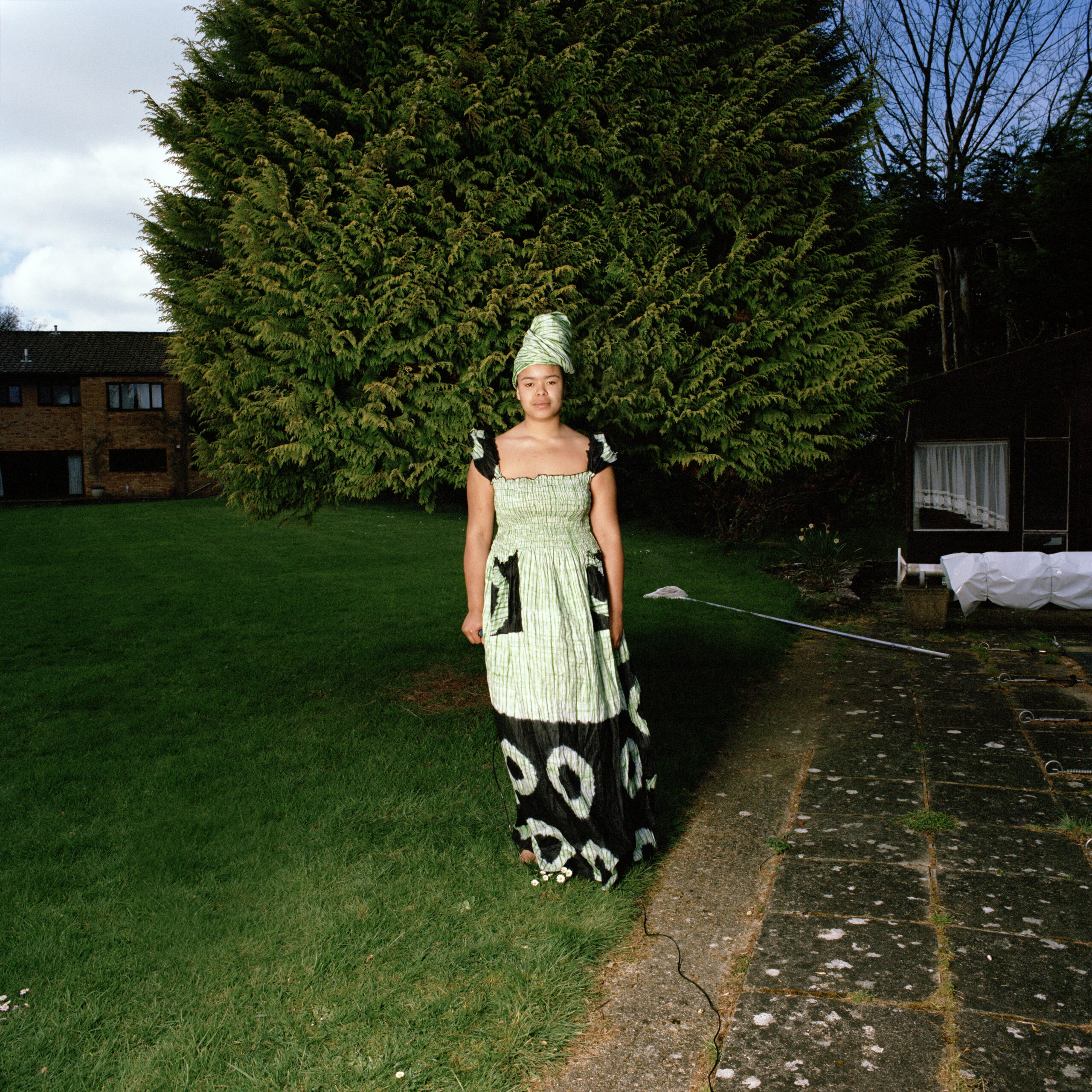
In this series of portraits I relive this uncertainty and undergo a gradual entry into a world that I want to be a part of. I look at the hardships my father went through as he struggled to make a living as a dishwasher when he first arrived in Britain in the 1980s. I experience the dilemmas of being a woman in Igbo society, of needing to be a pious citizen and a good wife. I imagine what it would be like to marry into a traditional Igbo family.
There is nostalgia, but also a sense of wariness. Do I really want to give up my independence to become a bride, to be traded for a dowry? Do I need to accept a lower status simply because I am a woman? Is that the way it has to be?
And yet, there are things I want to embrace and become part of; a world where my identity is not formed by the colour of my skin, where time is fluid and life is led according to the natural rhythms of the world rather than by the rule of the calculator and the clock. Is that too romantic? I don’t know. I’m still learning what it means to be an Igbo woman from an English home. I hope this project will help me discover who I am, what I am and where I come from.
Nigeria became independent in 1960. My father moved to England in 1980. He has never talked much about Africa so I don’t know much about his old home. I was brought up in a house that seemed so very English but always had a Nigerian underlay. I feel those two parts in me and need to reconcile the one with the other.
Women are regarded as the weaker sex by most of traditional Igbo society. Marriage to a man is what gives a woman status, and, if you are unmarried, then you cannot participate in most social activities.
I hear about this world, I see this world, but I don’t yet know this world. I’m not weaker, I’m not second class, but still I want to be part of it. Can I stay myself and still be Igbo?
My wonderful father came to Britain with nothing and built a life for himself. I want to have a career and make him proud of me. I want him to respect my achievements. But, can I do that if I conform to the Igbo ideal of not having a career beyond that of role of mother and wife?
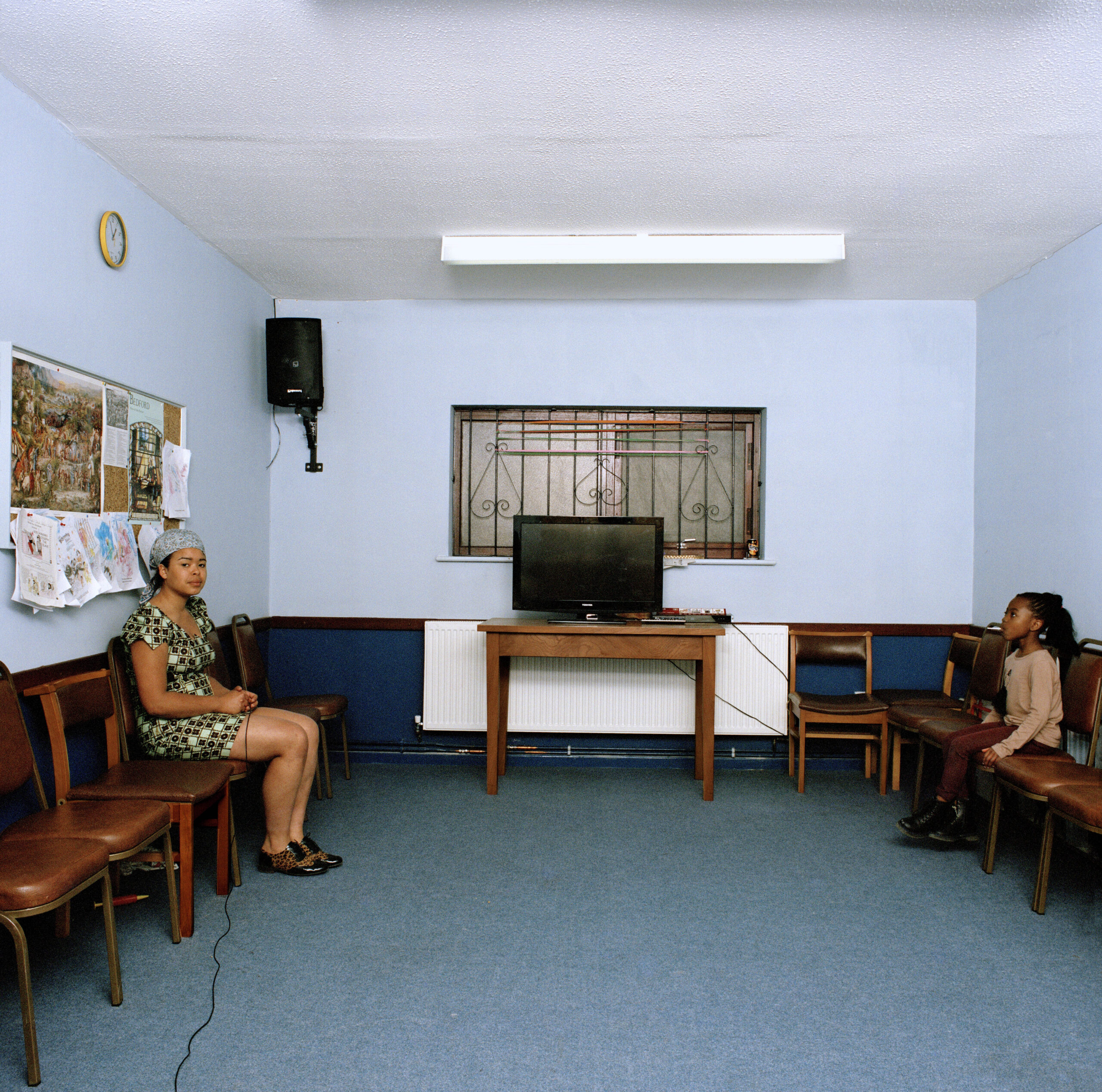
‘African time’ is not fixed. It wasn’t fixed for my father. I remember waiting and waiting and waiting for him, an uneasy feeling in my stomach. Always waiting.
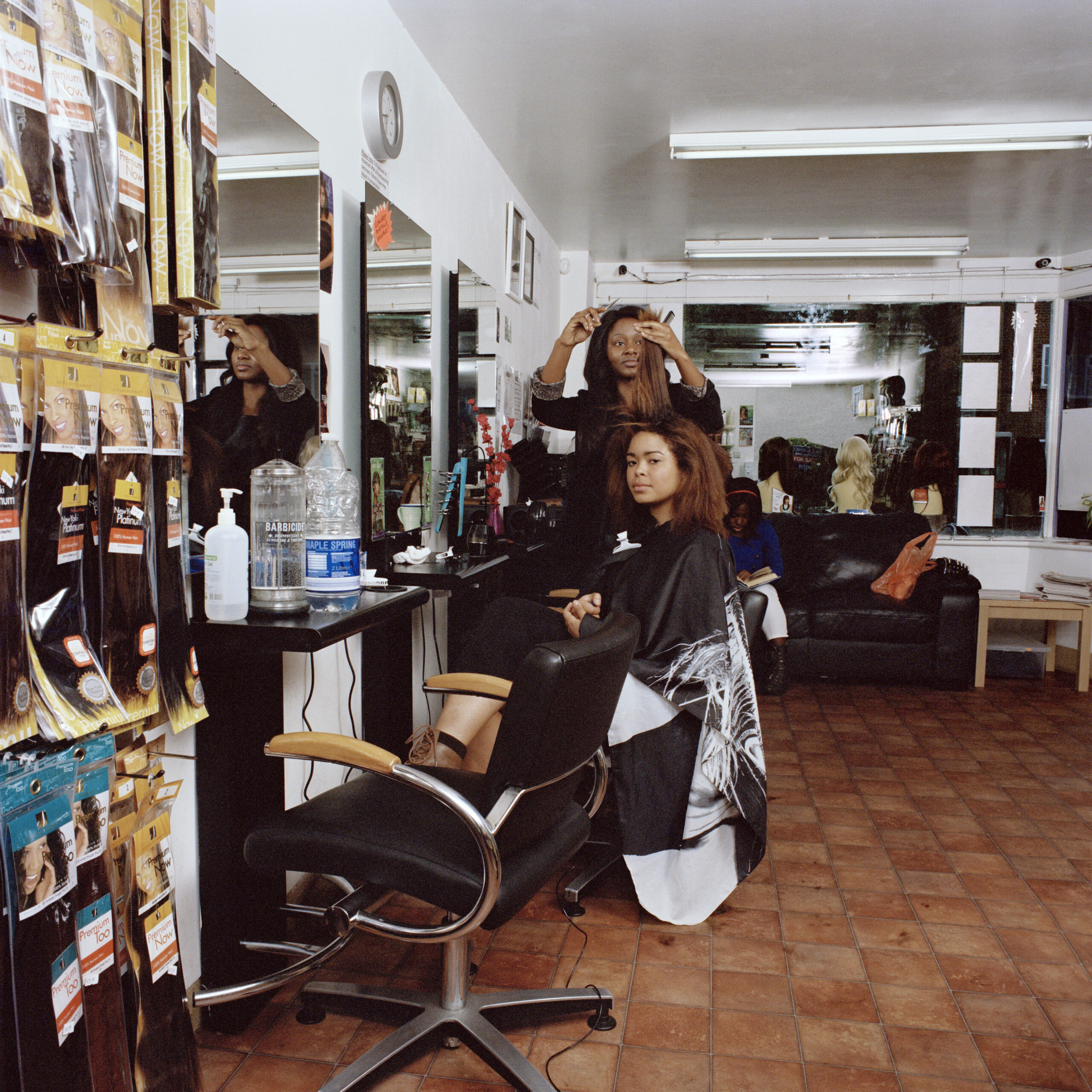
My father’s friend ran an African hairdresser’s called Rosie’s. I have vague memories of my father taking me there when I was a child. I would sit for what seemed like hours while my father conversed with other Nigerians. I always felt uncomfortable here, as though my Nigerian side was hidden and I was disguising myself to be British. Now I want to be both.
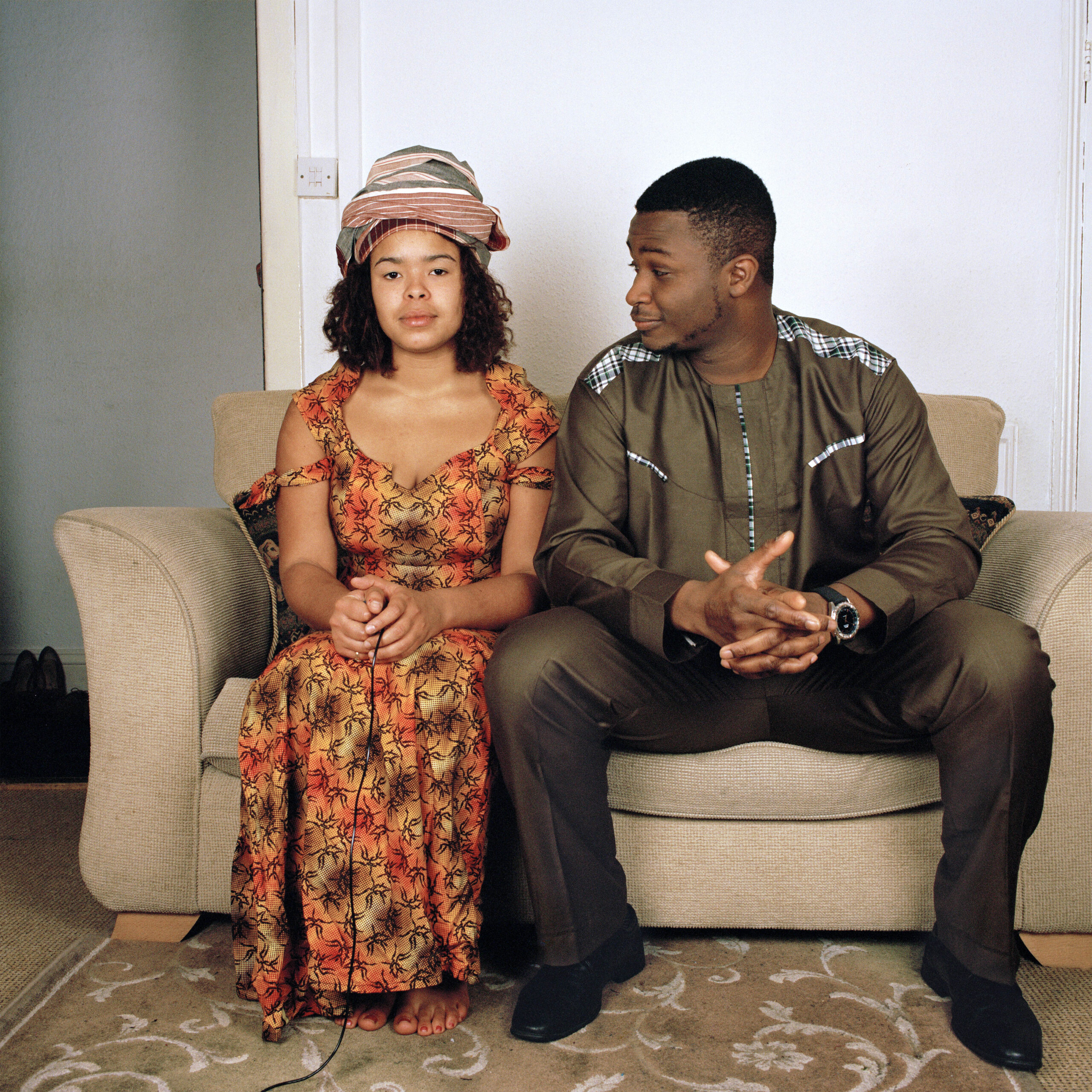
In Igbo society, the man asks for the woman’s hand in marriage. He visits the bride-to-be’s father and they agree on a dowry, a price for the bride.
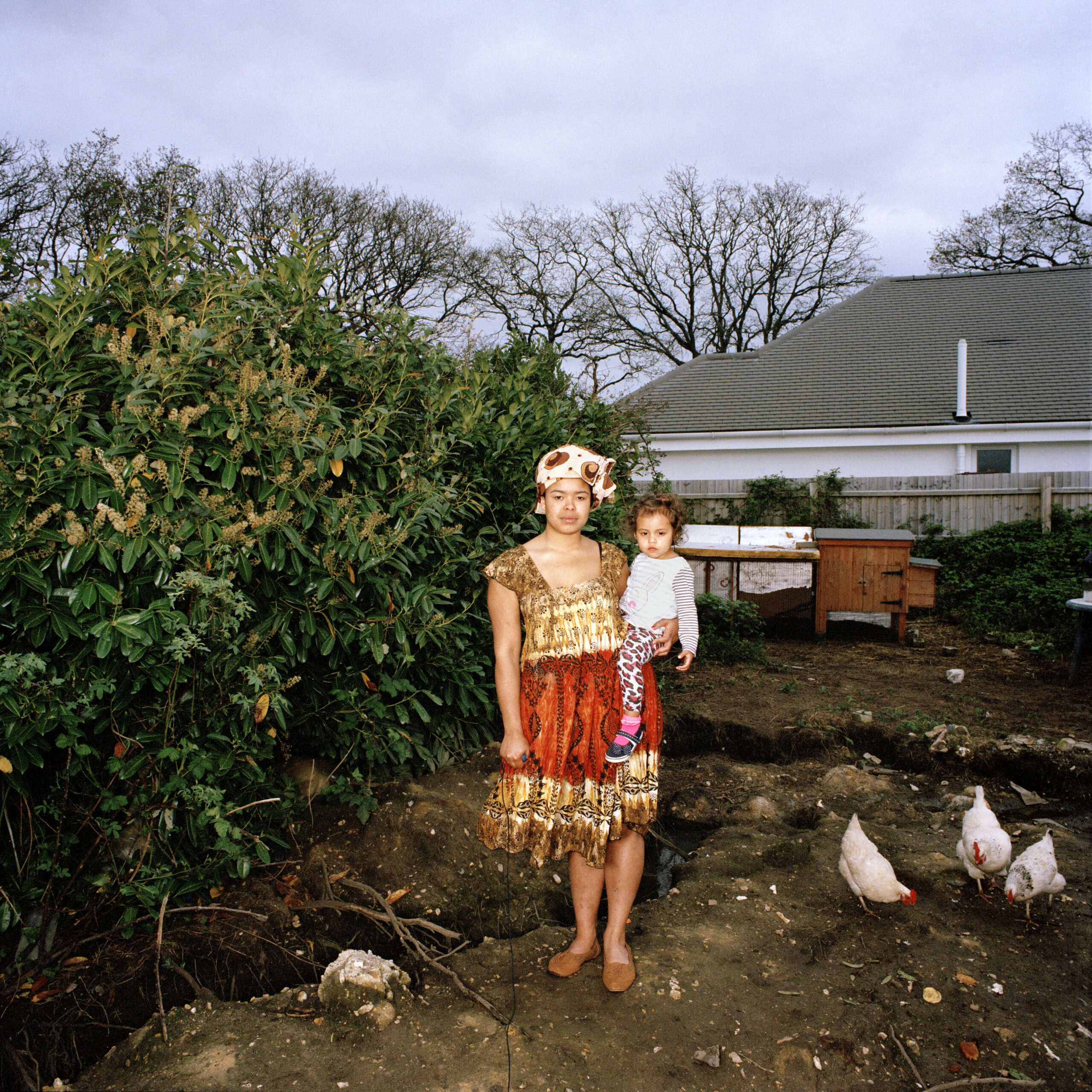
In traditional Igbo culture, girls are thought to be less capable than boys. If I were to marry into this culture, how would I bring up my daughters? To be proud and sure that they are the equal of anyone, or to be modest and unsure of their own abilities?
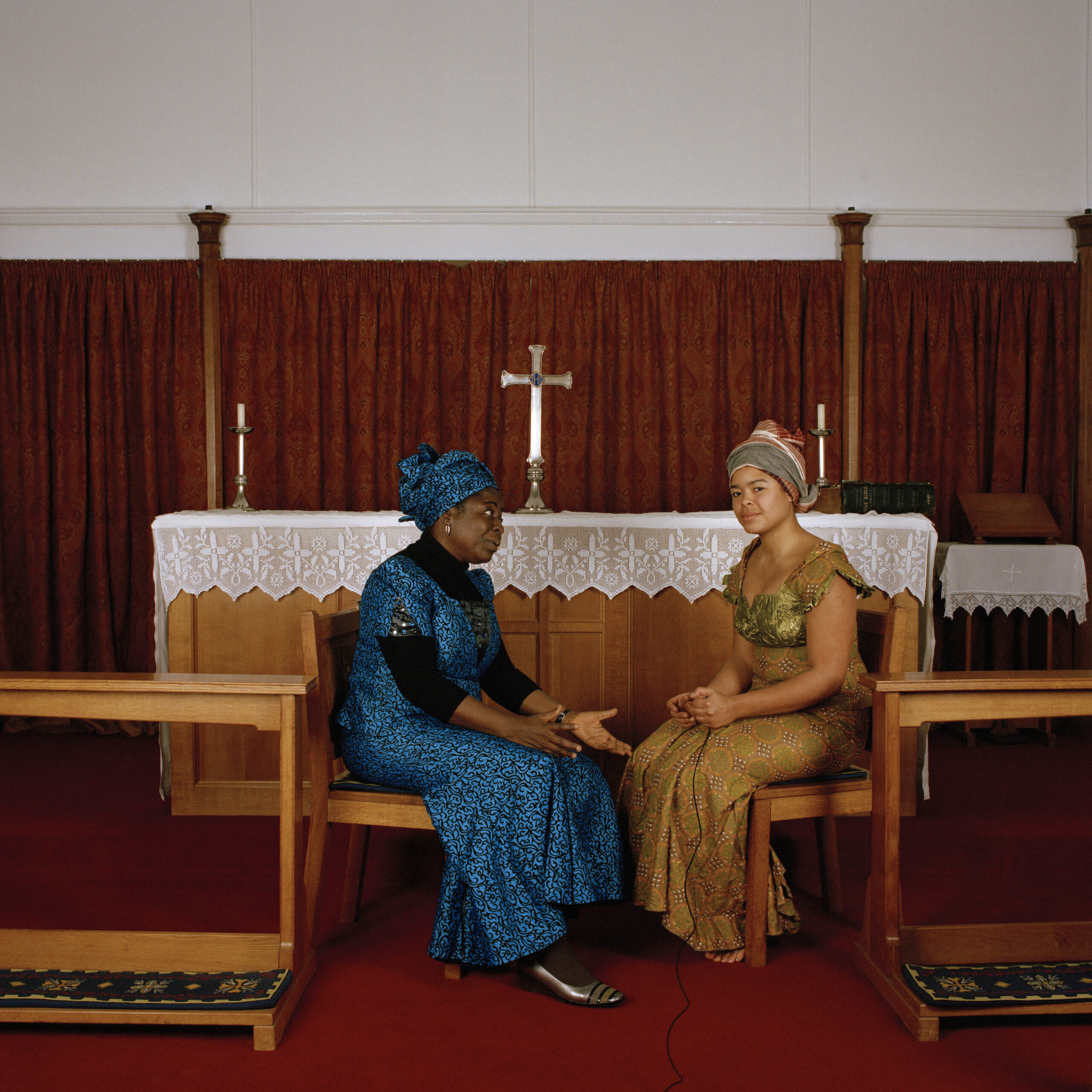
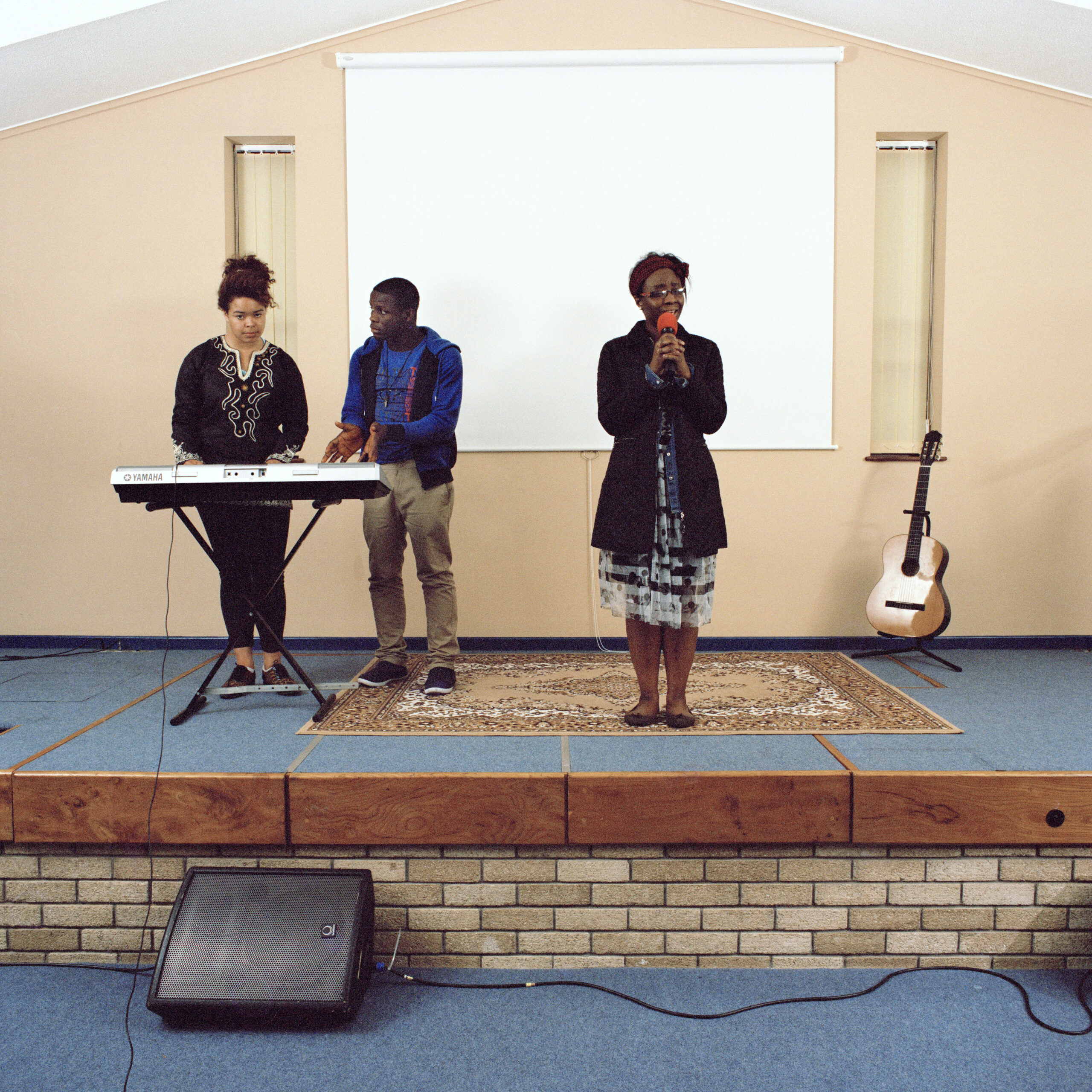
When Nigeria was colonised, most Igbo people followed Christianity and came to believe in one supreme being. I was brought up Catholic, but now I have my own beliefs.
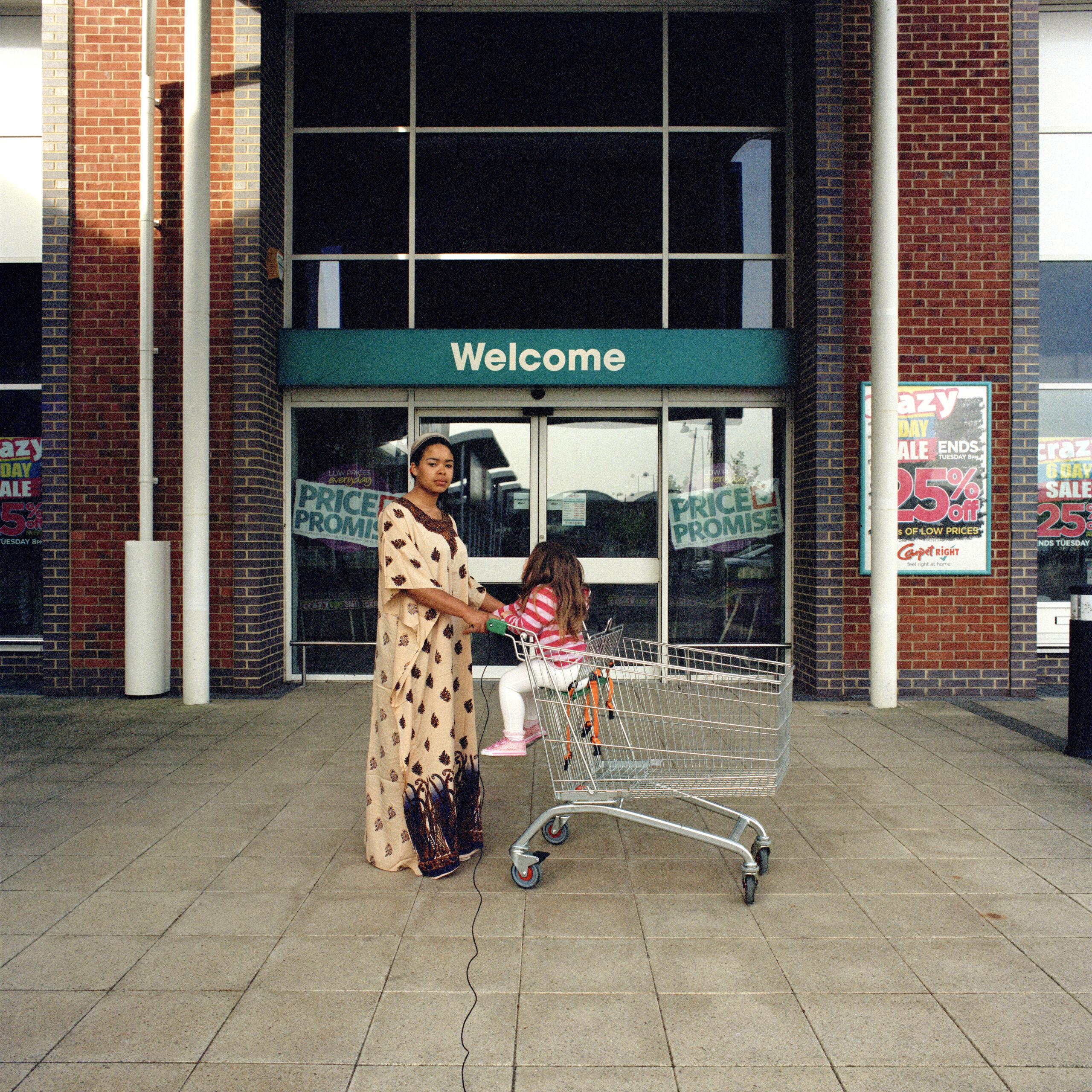
I grew up influenced by European culture but am still categorised by the colour of my skin. If I marry an Igbo will I still be ‘European?’ If I marry a European, will I still be ‘black?’
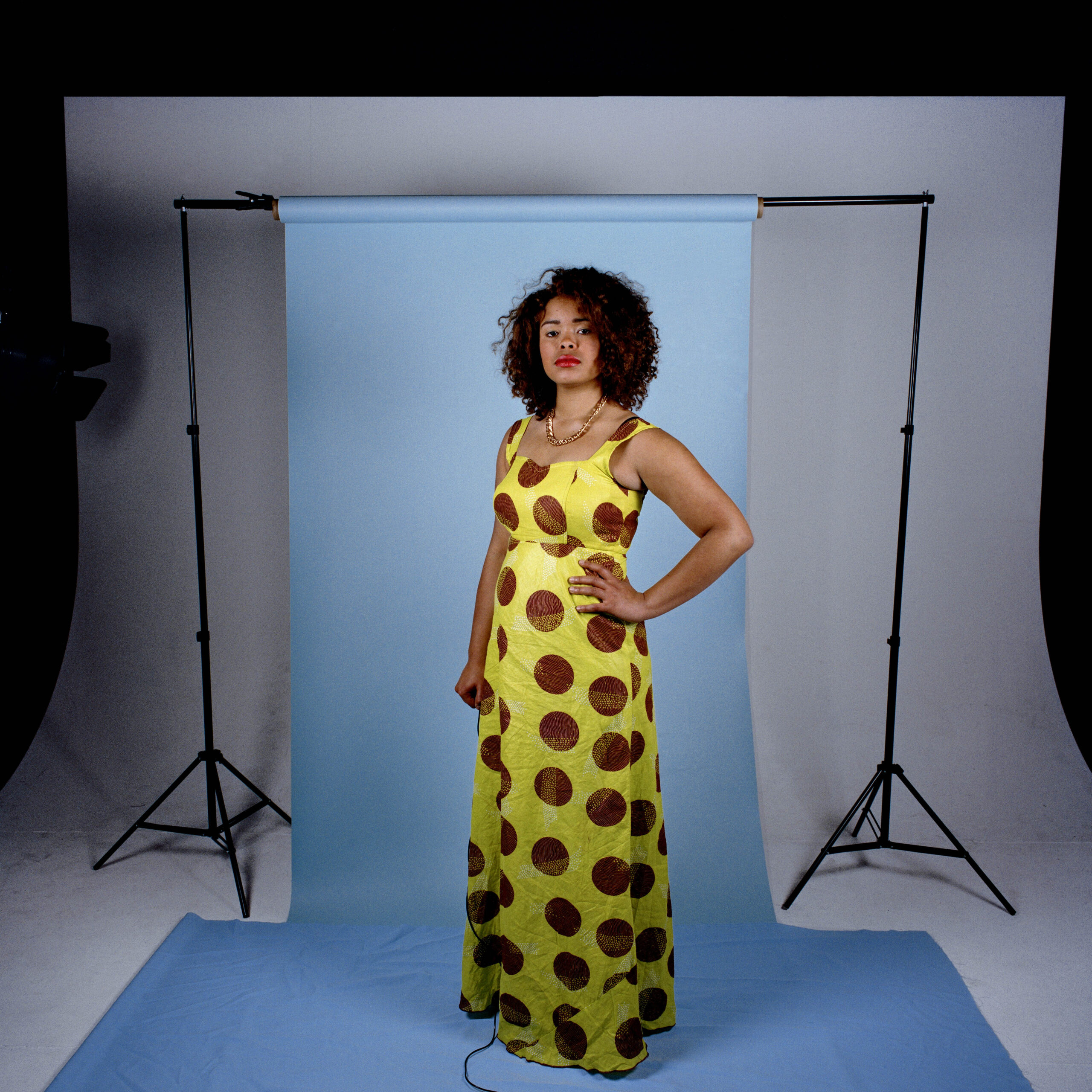
Igbo men often see their women as ‘prized possessions,’ and British men often see me as ‘black.’ But, how others see you is not the same as how you see yourself. This portrait is how I see myself, like one of the women from the studio portraits of Sidibe or Keita; strong and free.